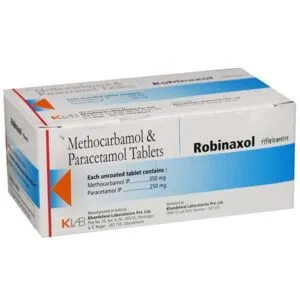



Description
Key information
- Uses : Erythromycin is used to treat various infections such as pneumonia, bronchitis, skin infections (such as acne), ear infections and certain sexually transmitted infections (STIs). It is also used to prevent relapses of rheumatic fever.
Method of administration :
- The tablets must be swallowed whole with a large glass of water, without chewing or crushing.
- Erythromycin is usually better absorbed when taken on an empty stomach (one hour before or two hours after a meal). However, some formulations can be taken with food to reduce digestive upset. It is important to follow the instructions on the prescription carefully.
- The medicine must be taken at regular intervals and the full course must be completed, even if the symptoms improve, to prevent relapse or resistance of the infection.
Common adverse effects : Potential adverse effects include nausea, vomiting, diarrhea, abdominal pain/cramps and loss of appetite. Serious adverse effects: See a doctor promptly if you notice signs of liver problems (yellowing of the skin and eyes, dark urine, severe abdominal pain), hearing loss, unusual fatigue or signs of a serious allergic reaction (rash, itching, swelling of the face and throat, difficulty breathing).
Important precautions
- Viral infections: Erythromycin is only effective against bacterial infections and does not treat viral illnesses such as colds or flu.
- Drug interactions: Erythromycin can interact with several other medicines, including certain cholesterol-lowering drugs (statins), antihistamines and anticoagulants. It is important to tell your doctor about all the medicines and supplements you take.
- Alcohol/Grapefruit: It is generally advisable to avoid alcohol and grapefruit (juice) during erythromycin treatment, as they may increase the risk of adverse effects.
- Pregnancy/Breastfeeding: Pregnant or breastfeeding women should consult their doctor to weigh the potential benefits and risks of taking this medicine.