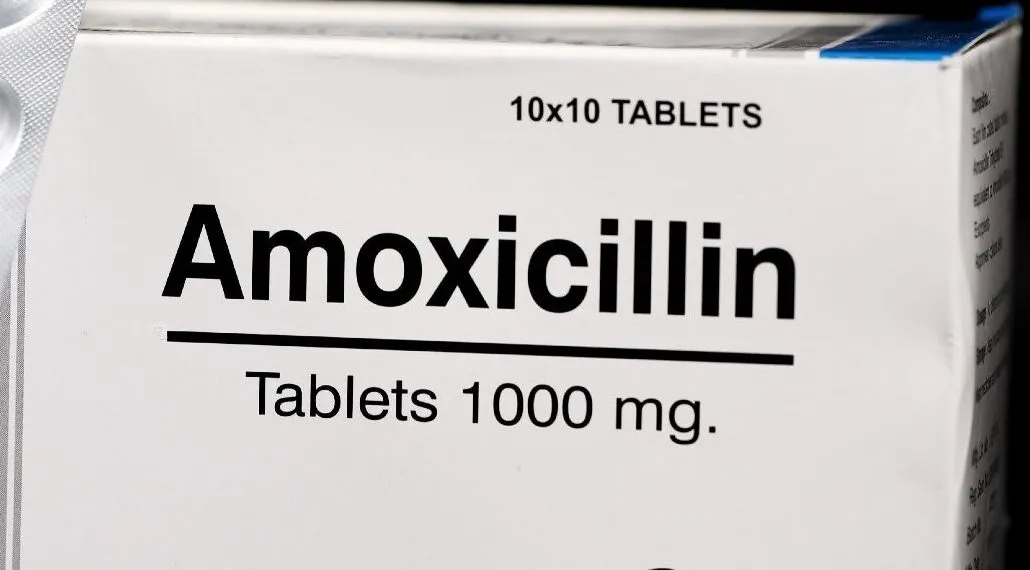
Description
Key information
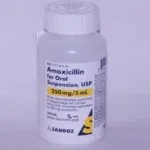
- Active ingredient : Amoxicillin (as amoxicillin trihydrate).
- Directions : Treatment of infections caused by susceptible bacteria. Ineffective against viral infections such as colds or flu.
- Availability : Available as tablets, capsules, oral suspension and injectable solution. Usually requires a prescription.
Common uses
- Amoxicillin 1000 mg is used to treat a wide range of infections, including:
- Respiratory tract infections: pneumonia, bronchitis, sinusitis, tonsillitis and strep throat.
- Ear infections: otitis media.
- Urinary tract infections: uncomplicated cystitis, pyelonephritis.
- Skin and soft tissue infections: boils, carbuncles, wound infections.
- Lyme disease: Treatment of early-stage erythema migrans. Helicobacter pylori (H. pylori) infections: Used in combination with other medicines (for example, clarithromycin, lansoprazole) to treat stomach ulcers.
Important notes
- Prescription required: Amoxicillin must only be taken on the prescription of a healthcare professional.
- Finish the treatment: It is essential to finish the prescribed antibiotic treatment, even if you feel better, to ensure the infection is completely cured and to prevent antibiotic resistance.
- Allergies: Do not take amoxicillin if you are allergic to penicillin or any other beta-lactam antibiotic (for example, cephalosporins). Allergic reactions can be serious and potentially fatal.
- Adverse effects: Common adverse effects may include nausea, diarrhea and mild skin rashes. If you have serious adverse effects or signs of an allergic reaction (swelling, difficulty breathing), see a doctor immediately.