
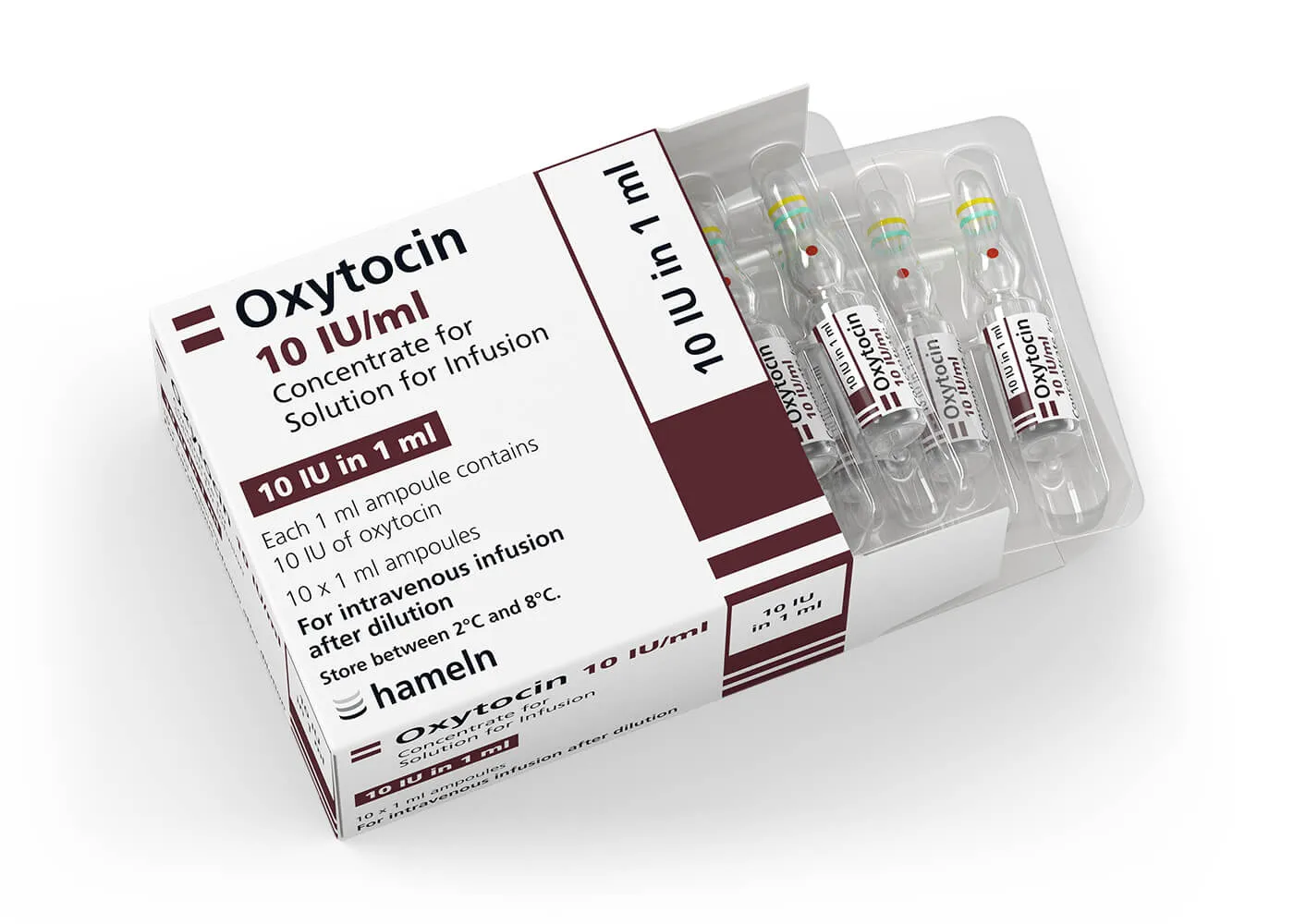
Description
Key functions and effects
- Reproduction: Induces labor contractions and helps control postpartum bleeding; facilitates milk secretion during breastfeeding.
- Social behavior: Promotes trust, empathy, social recognition, emotional attachment and the parent-child bond.
- Emotional well-being: Associated with feelings of happiness, reduced stress, lower blood pressure and anti-inflammatory effects.
- Physical sensation: Gentle touch and physical stimulation can increase oxytocin production, potentially relieving pain.
- Production and release
- Produced in the hypothalamus, then stored and released by the posterior pituitary gland.
- Has a positive feedback loop: its release stimulates further release.
- Medical and therapeutic uses
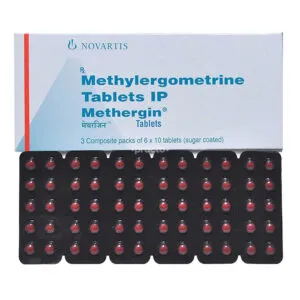
- Medicines: Used to induce/speed up labor and to control bleeding after childbirth (the medicine is a synthetic form of oxytocin).
- Emerging research: Being studied for the treatment of autism, social anxiety and postpartum depression, and for improving general social functioning.